Crescent Valley High School · Corvallis, Oregon
Build real things.
Learn real skills.
Metals, engines, and fabrication taught hands-on from day one. No experience needed. Students leave with a portfolio, certifications, and the confidence to use them.
Three programs. Real tools.
Every course builds skills students keep for life. No busywork, no filler.
Metals & Fabrication
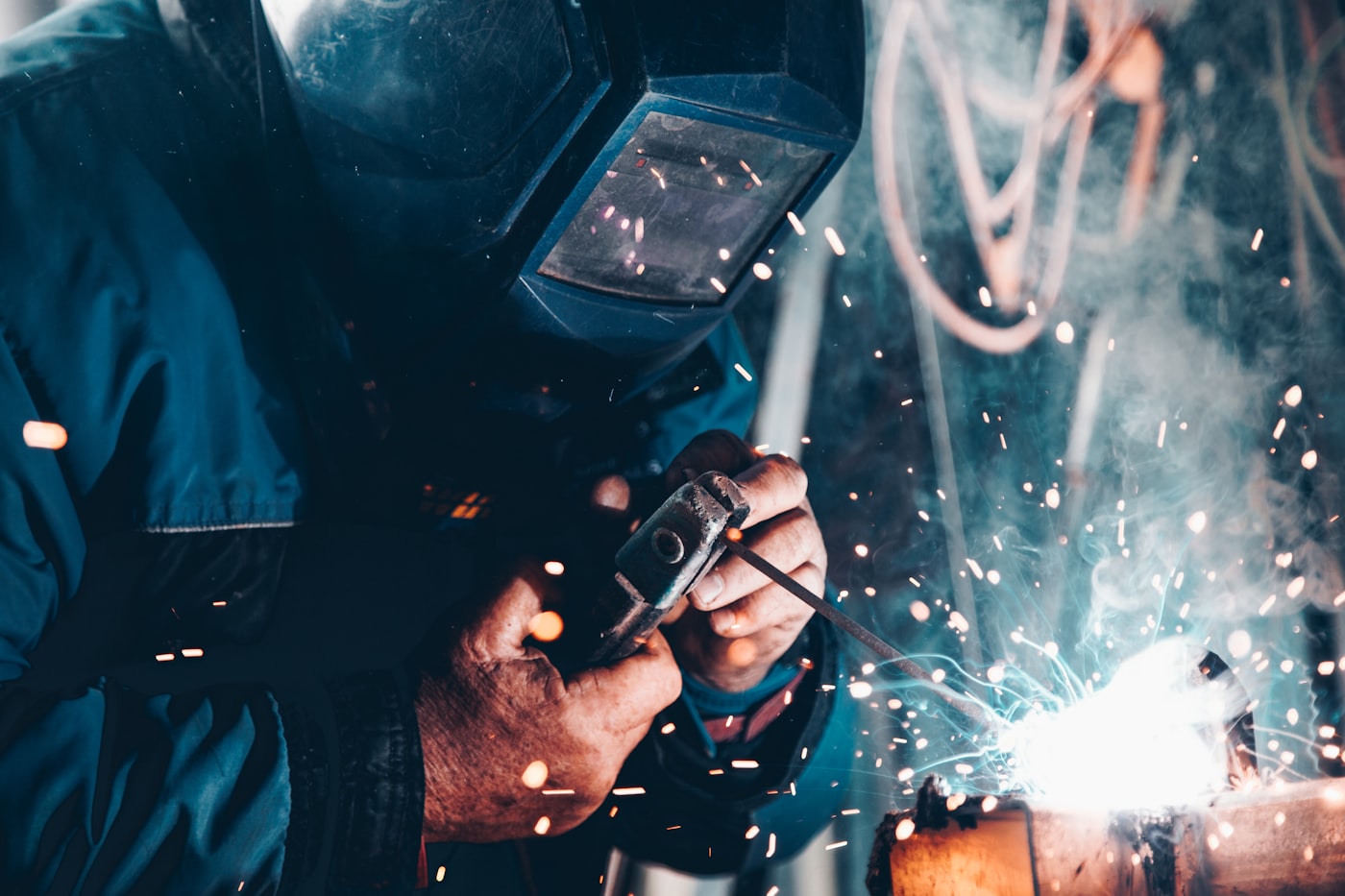
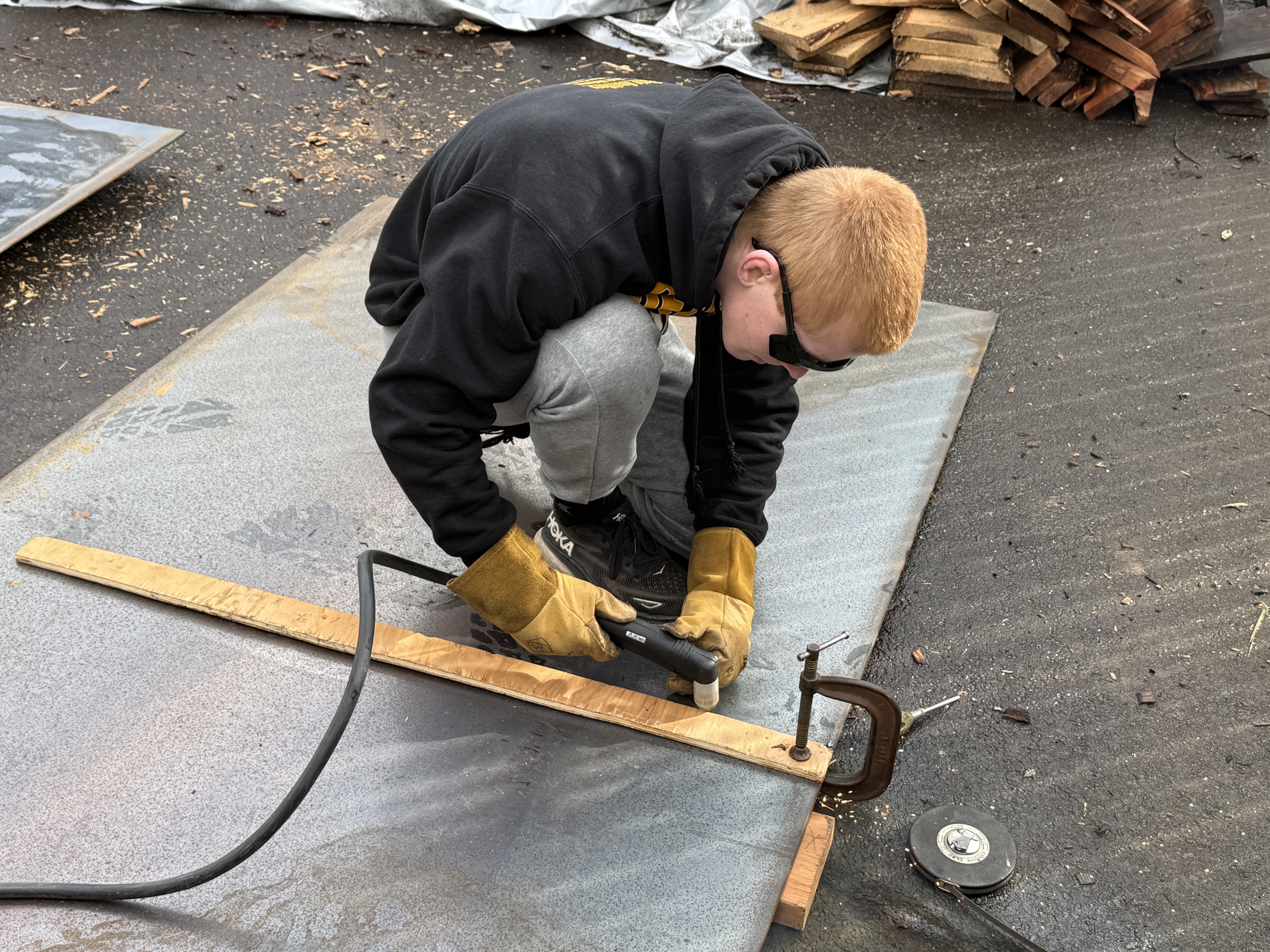
Cut, weld, and shape real steel and aluminum using the same equipment found in professional fabrication shops. Students learn to read blueprints, run clean weld beads, and hold a dimension.
- MIG and TIG welding on steel and aluminum
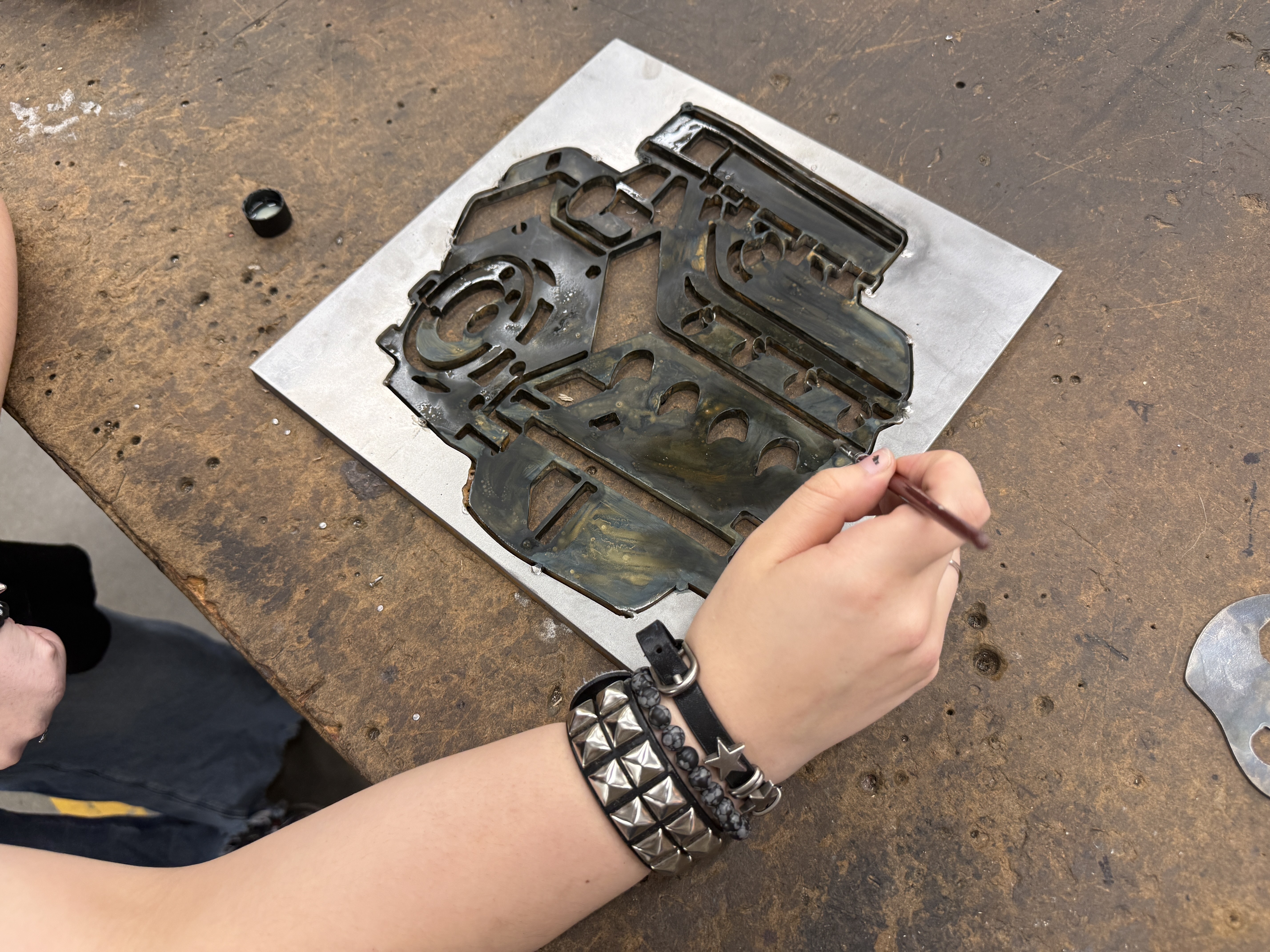
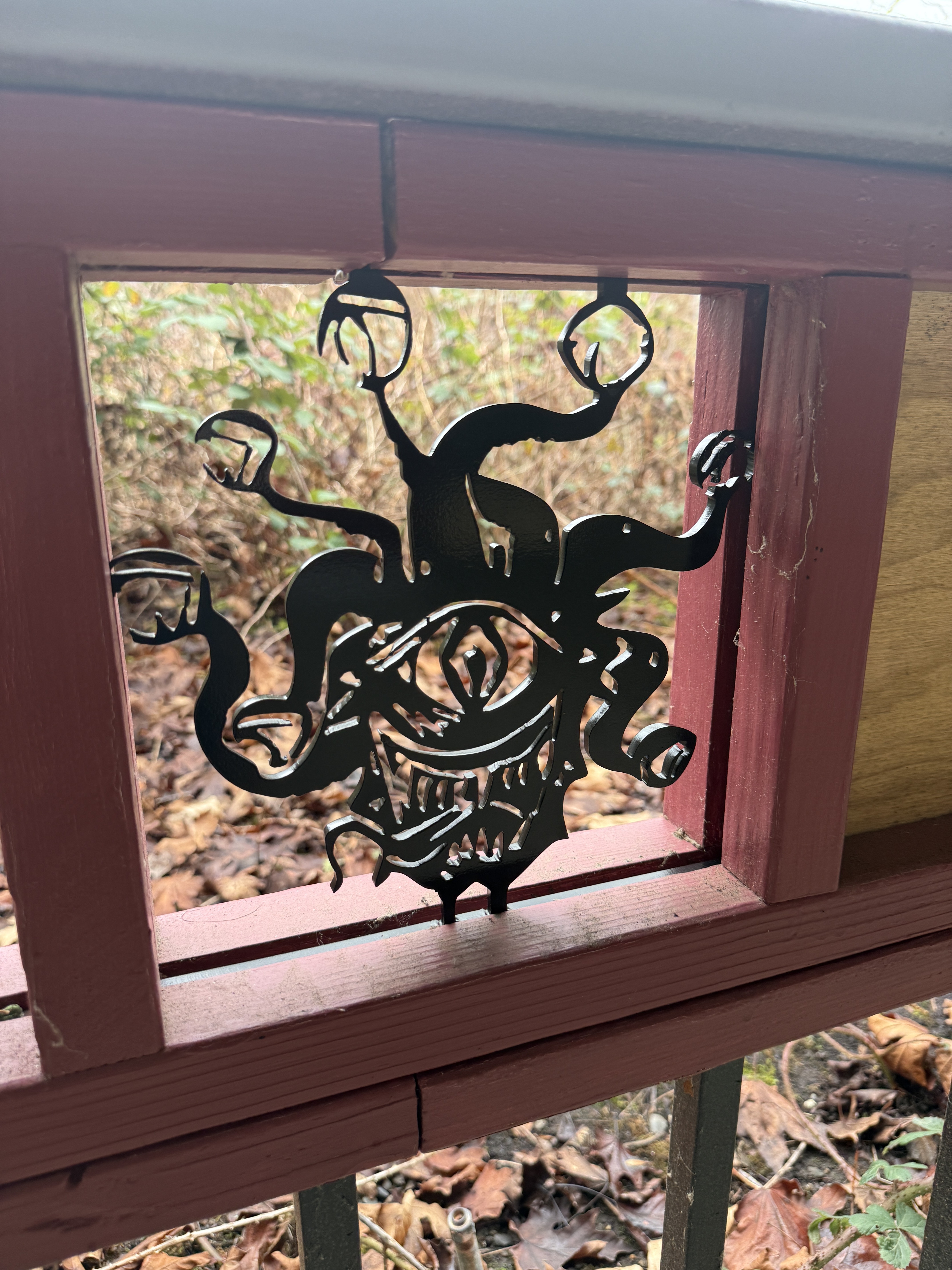
- CNC plasma cutting from your own CAD files
- Press brake forming and blueprint reading
Small Engines & Fabrication
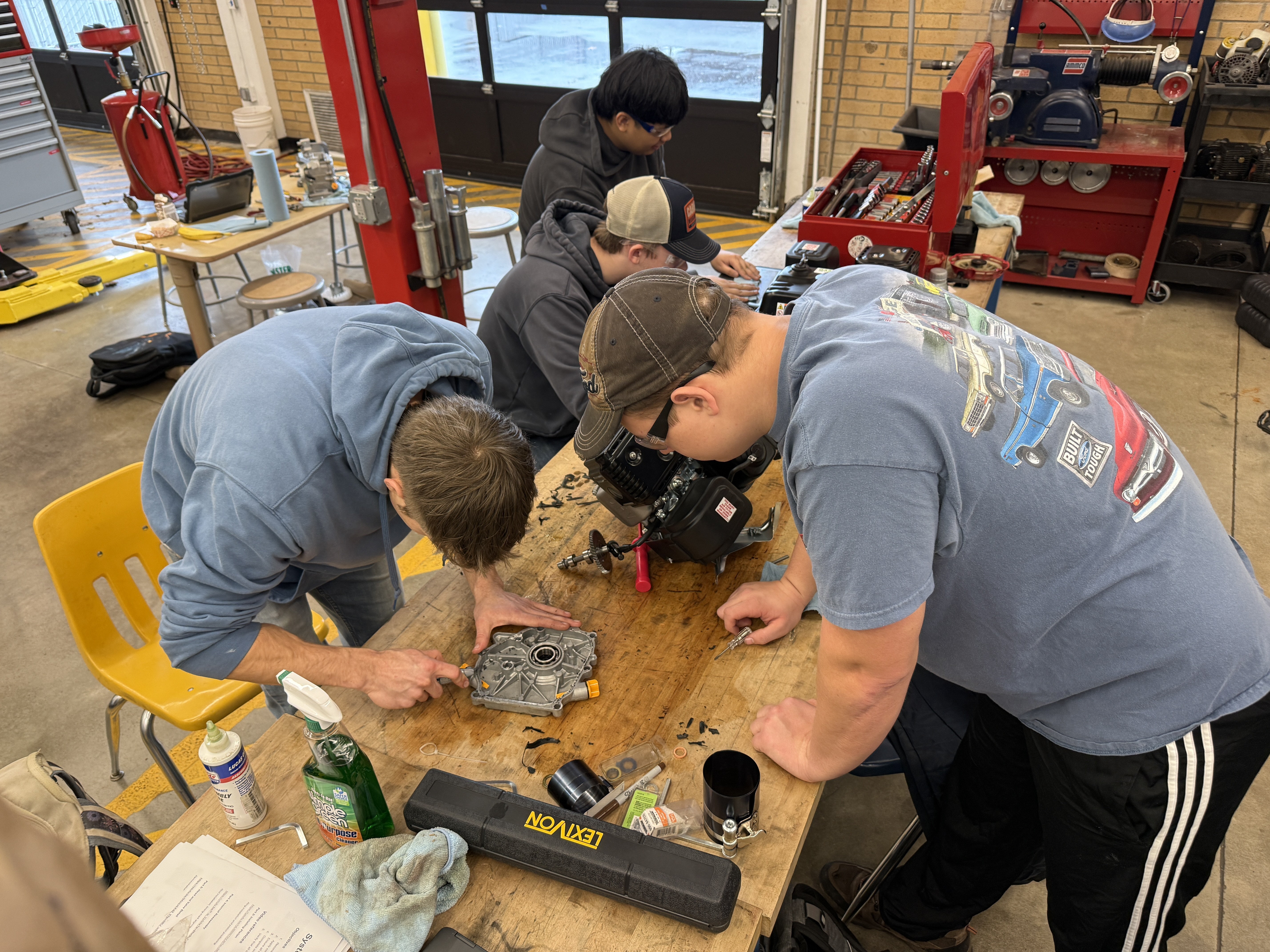
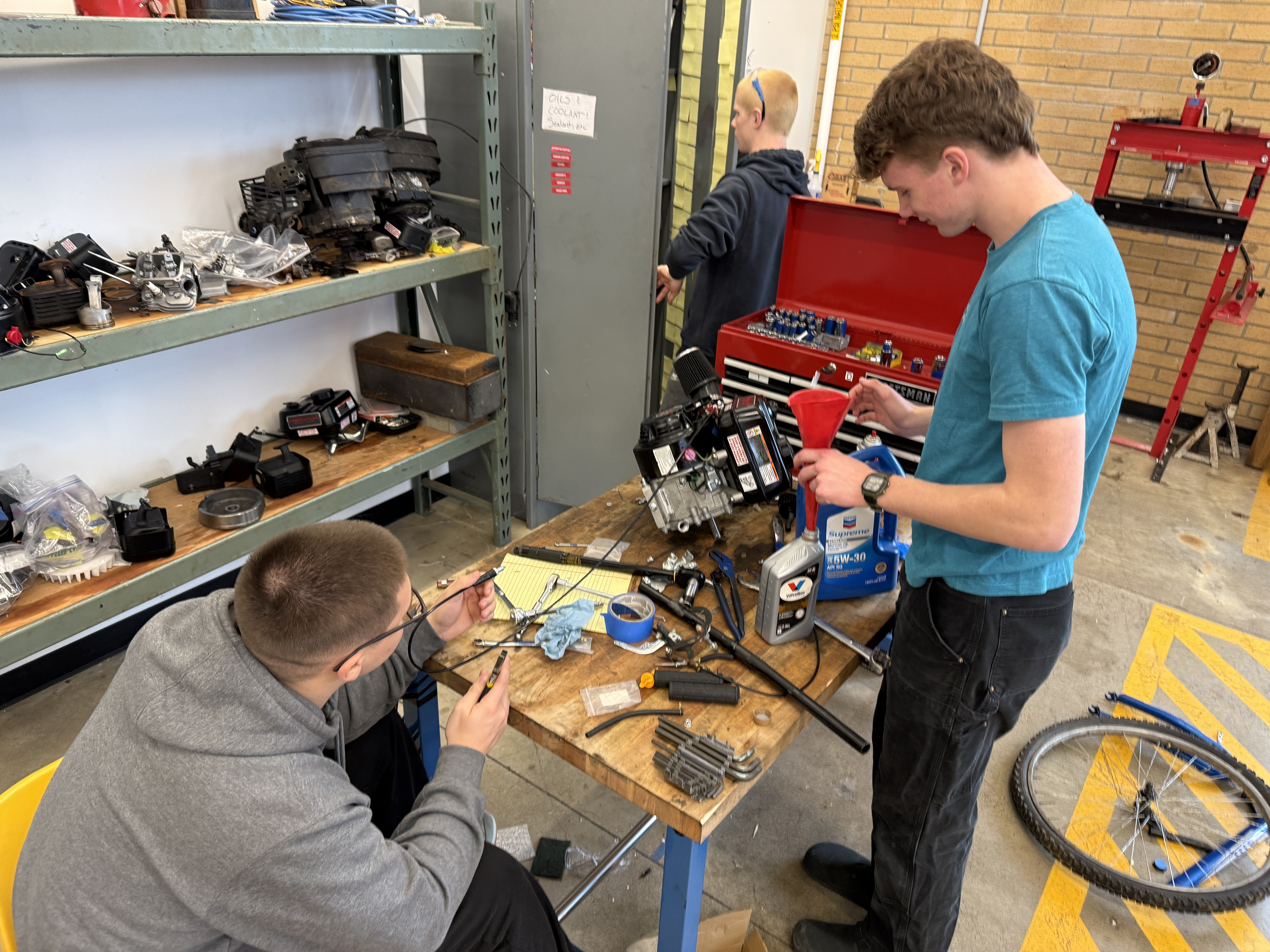
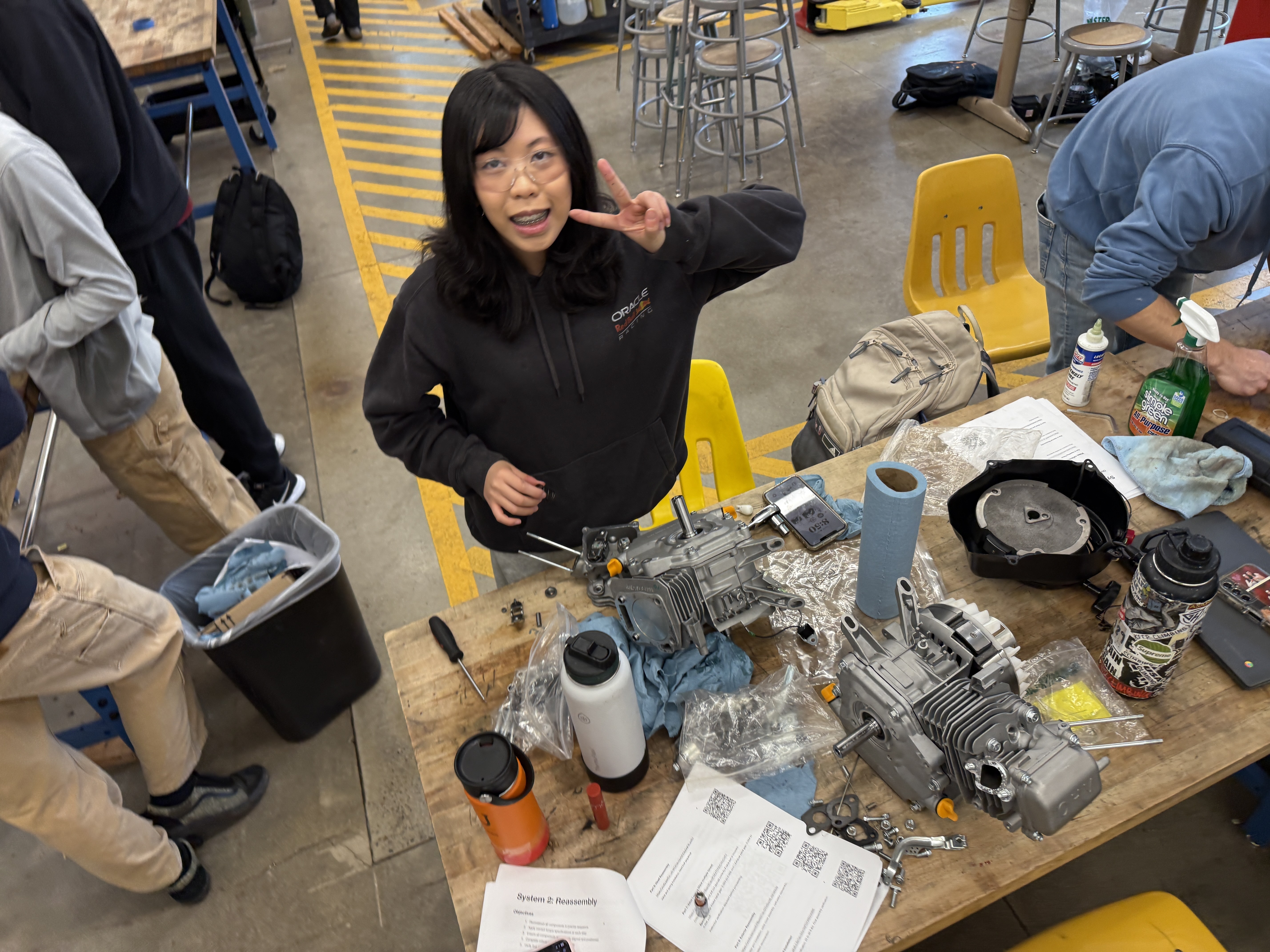
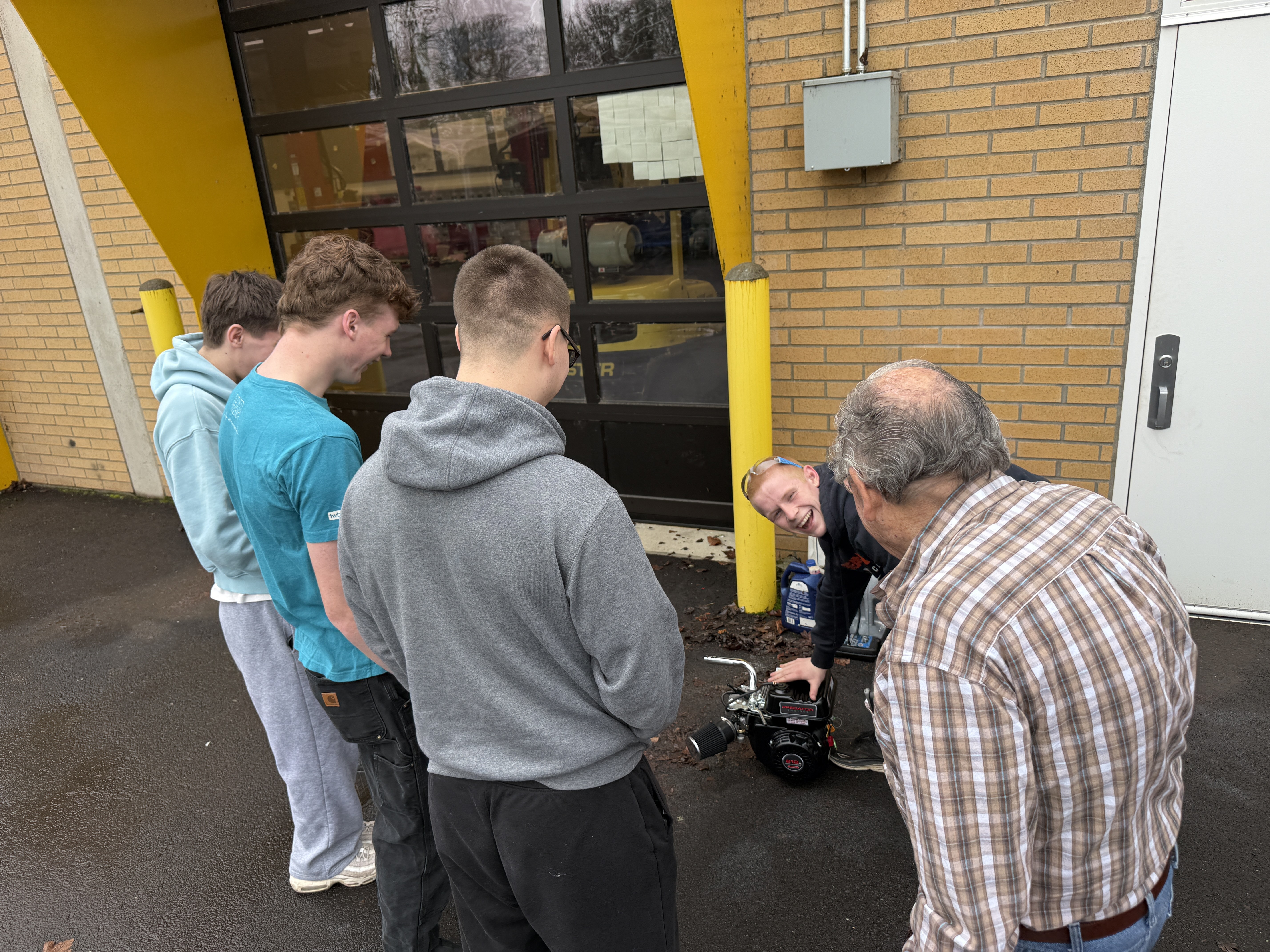
Tear down a 212cc engine to bare metal and rebuild it running. Plus everything nobody teaches about buying and owning a car, from window stickers to the real cost of ownership.
- Full teardown and rebuild of a Predator 212cc engine
- Automotive consumer education: buying, insuring, maintaining
- Total cost of ownership and real-world car math
Digital Fabrication & Design
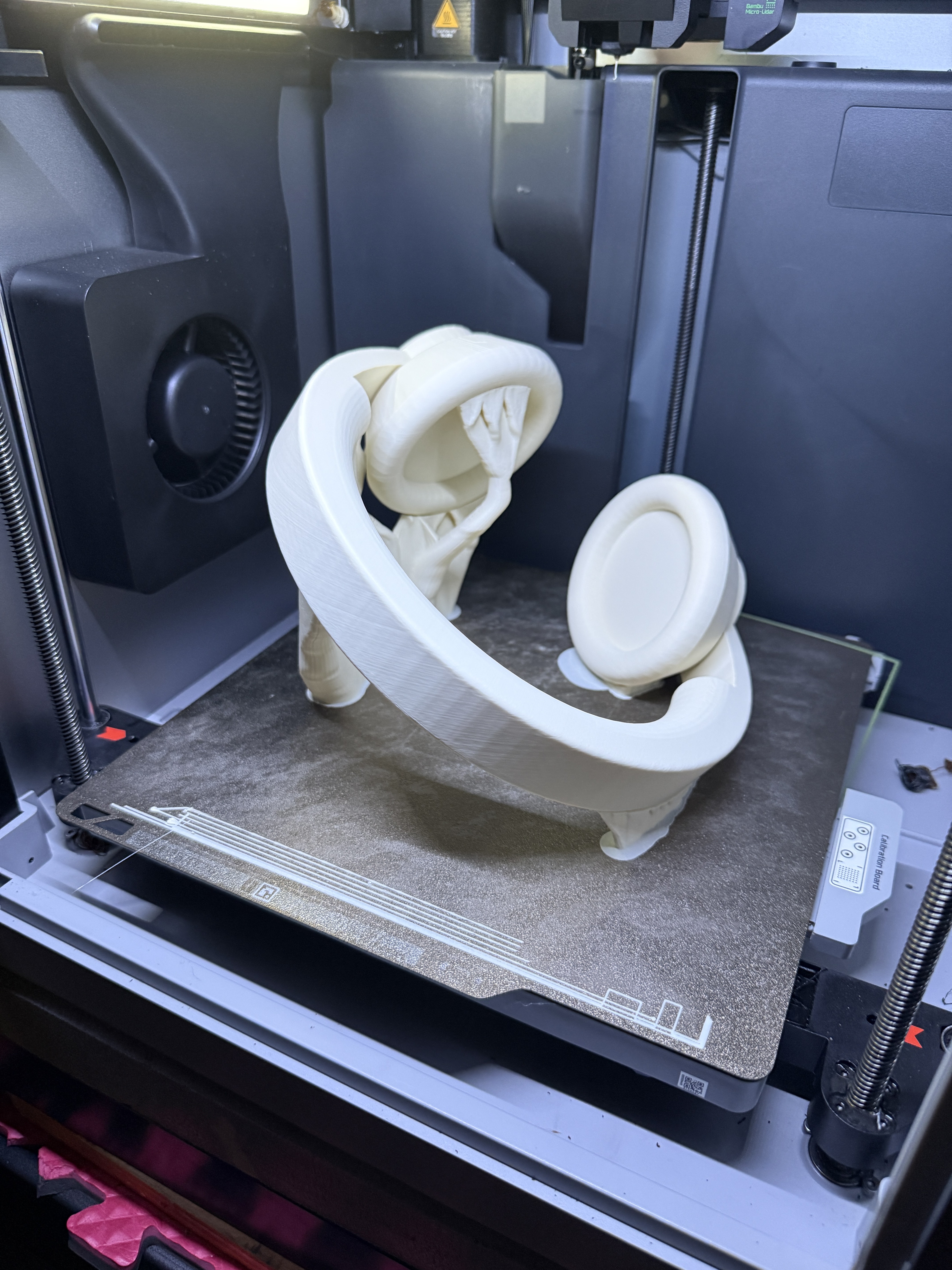
Design a part that will break in a specific way. Print it. Test it until it fails. Compare simulation to reality. Fix it and try again. That is how real engineers work.
- SolidWorks CAD modeling and FEA stress simulation
- 3D printing with real tolerances on a Bambu P1S
- Design, break, analyze, and iterate on physical parts
Built for this program. Used every week.
Every tool here was built in-house, specifically for these students. No generic textbooks or photocopied handouts.

Automotive Consumer Education
A full semester covering everything nobody else teaches about owning a car. Buying smart, understanding insurance, reading a window sticker, choosing a mechanic, and calculating the real cost of ownership.
Engineering Hub
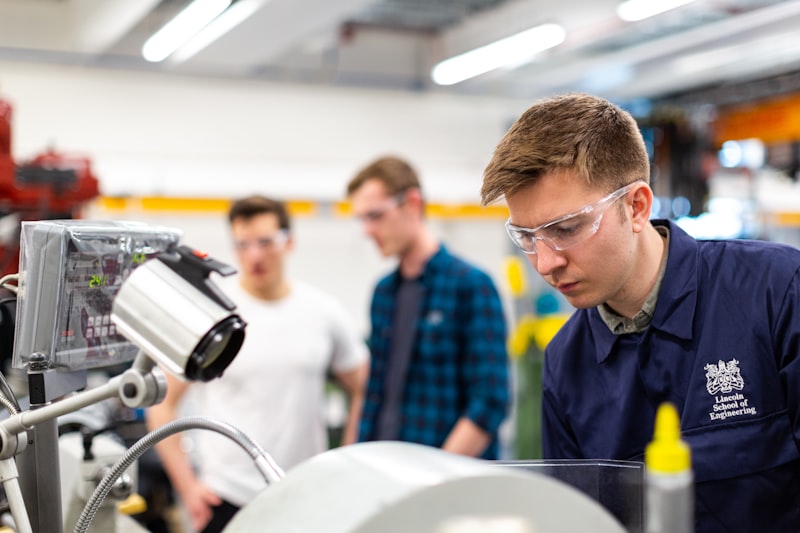
A searchable reference for every piece of equipment in the shop. Nine categories covering metals, welding, automotive, CNC, woodworking, pneumatics, and maintenance. Students look up the procedure on their phone before they touch anything.
CVHS Plasma Shop
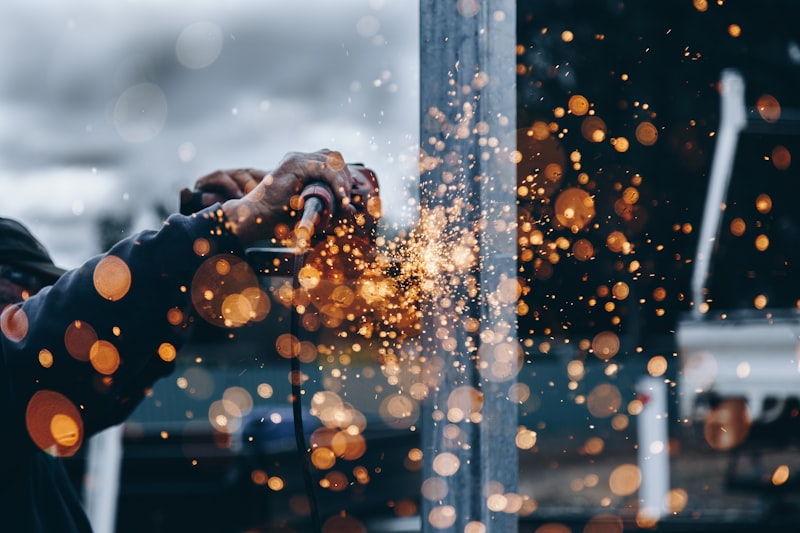
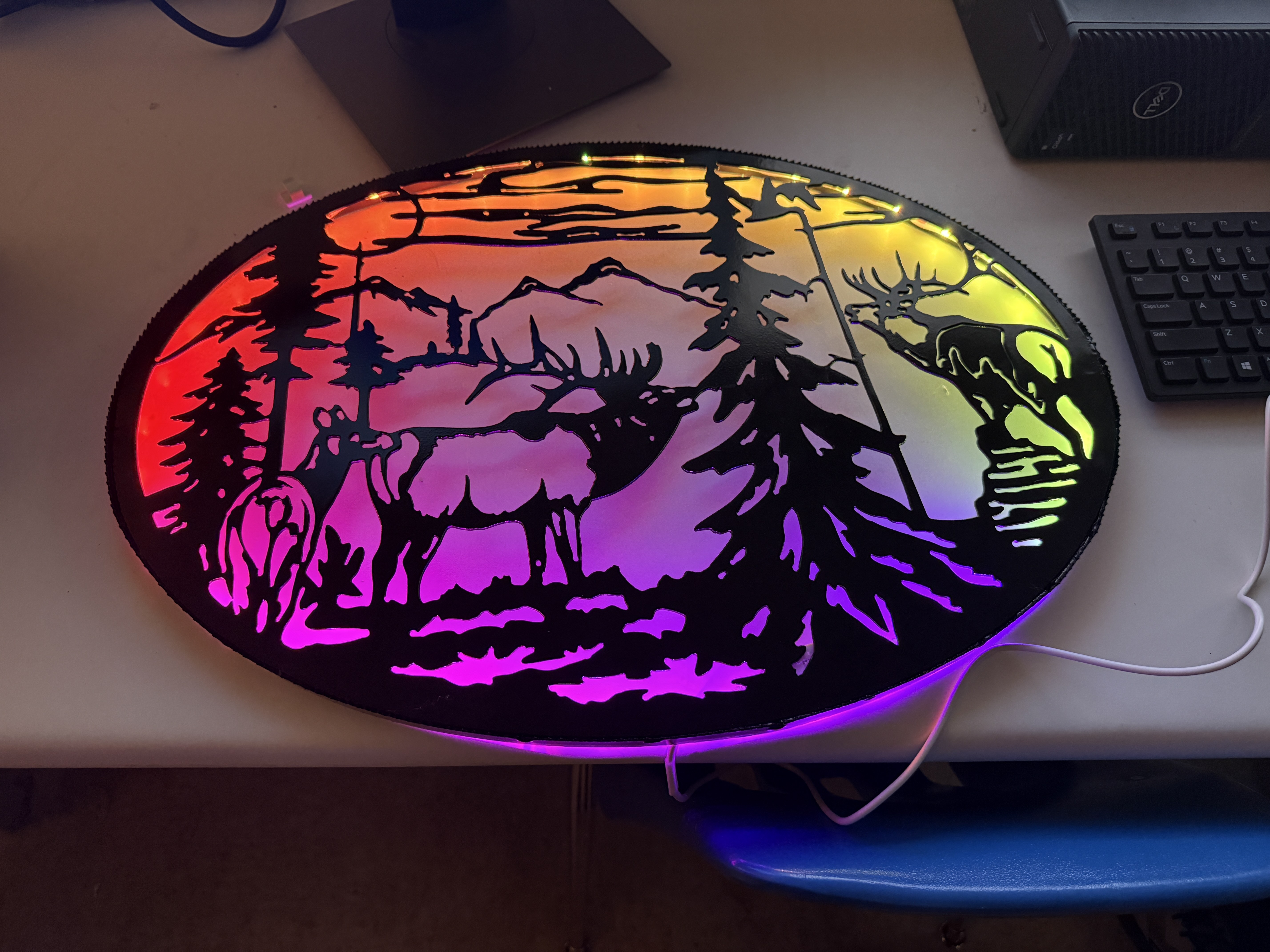
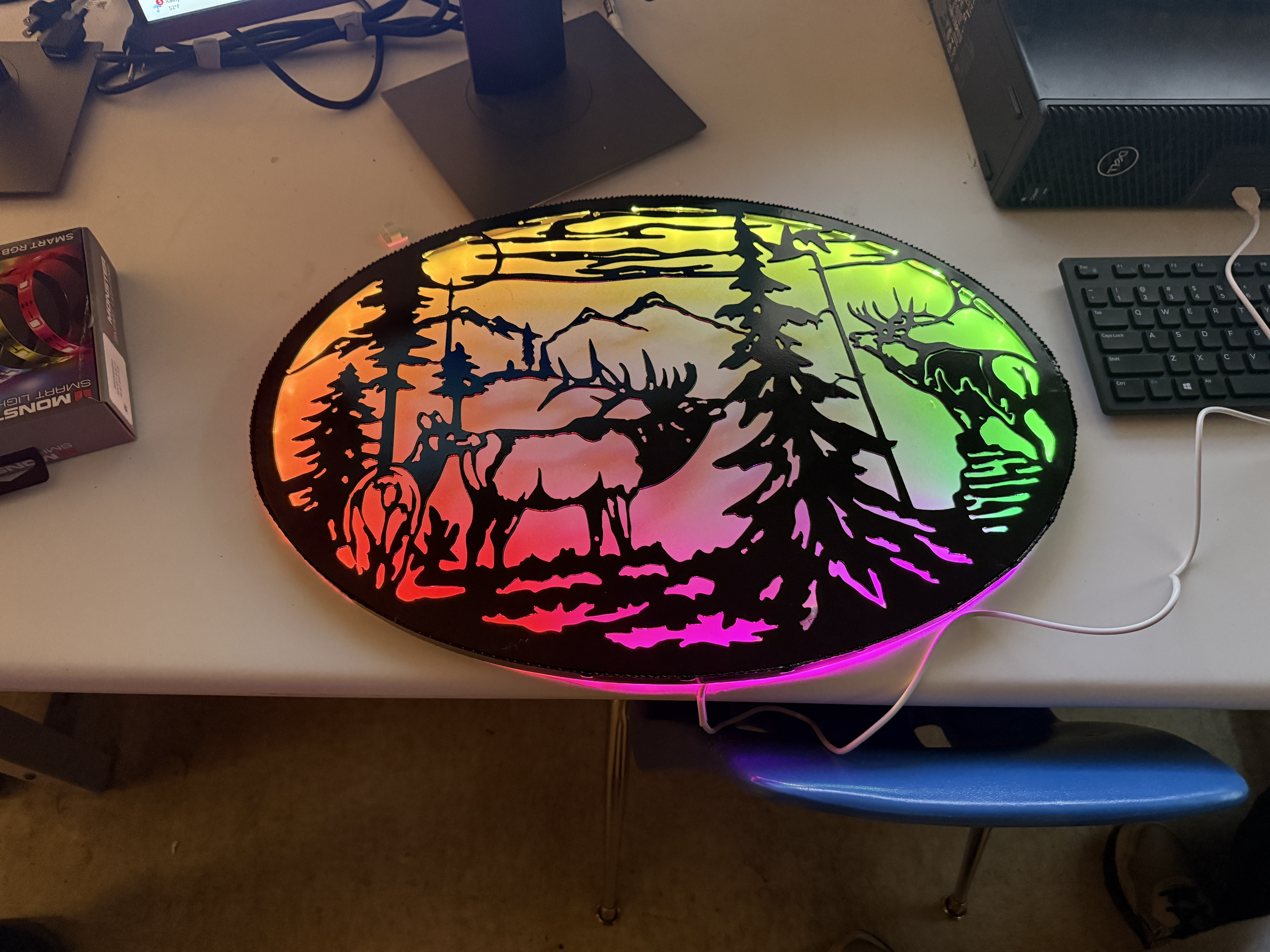
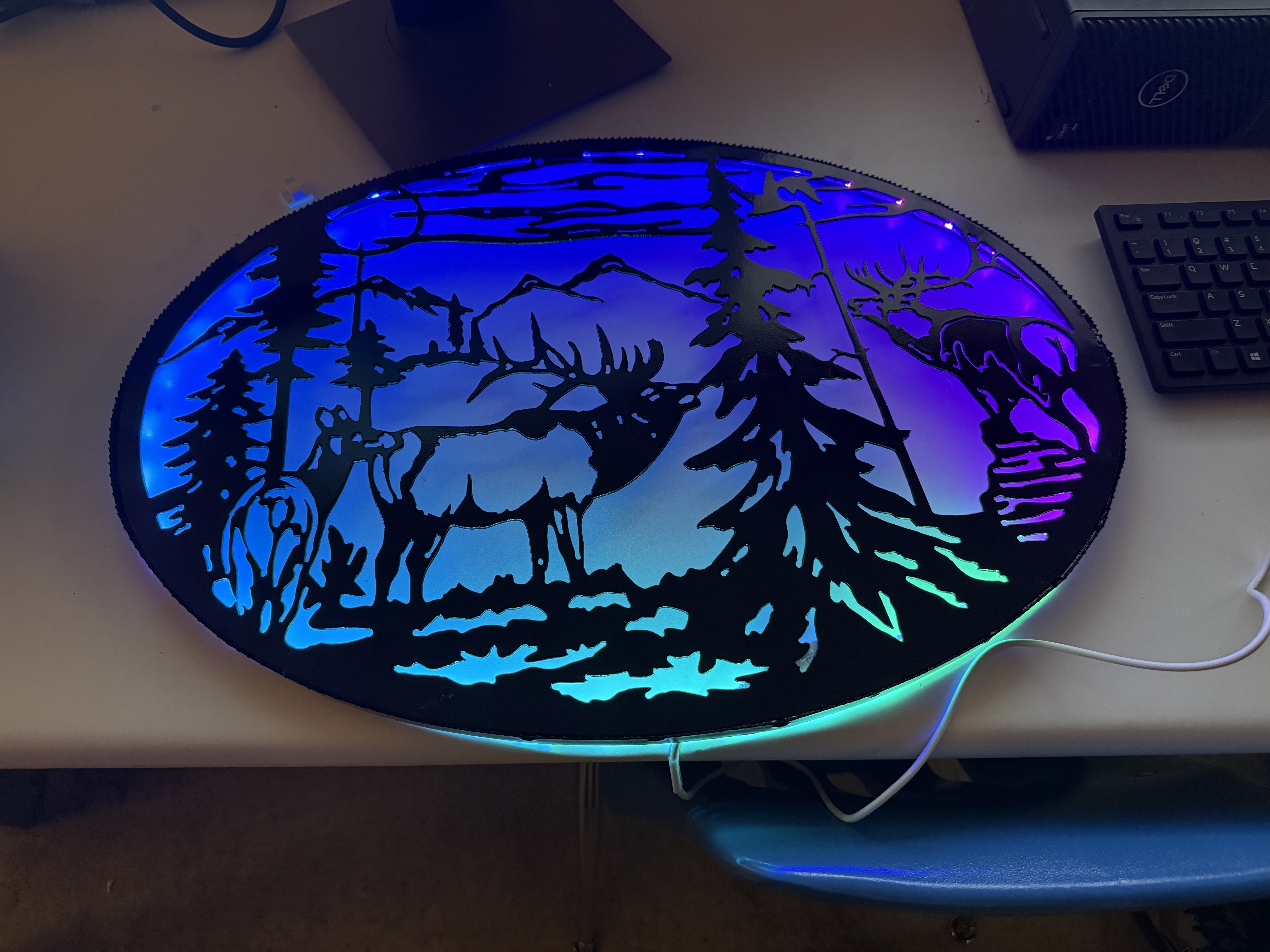
Students run a real shop. They quote jobs, calculate material costs and margins, and take orders for plasma-cut signs, powder-coated brackets, and custom LED-backlit panels. Real clients, real work, real experience.

CSD 509J District Website
A complete school district website built to help families find information, navigate school options, and connect with their community. Every school has its own profile page, and the site meets federal accessibility standards.
For parents who want to know.
Real questions, answered before you have to ask them.
Safety First
Every student completes tool certification before touching any equipment. PPE is required and enforced. Students look up the digital safety procedure for each machine before they start. Certified equipment, supervised practice, no guessing.
Career Ready
Three years of this program reads like a two-year apprenticeship on a resume. Students leave with certifications and documented work that trade programs, manufacturing companies, and engineering schools recognize.
A Portfolio, Not Just a Grade
Students leave with documented, real work they built with their own hands. That project history is something they can show a hiring manager or college program on day one. A transcript entry plus actual evidence.
For Every Student
No experience needed. You do not need to be handy. Half of every class walks in never having used a drill. We teach everything from scratch, and we meet students where they are.
From the shop floor.
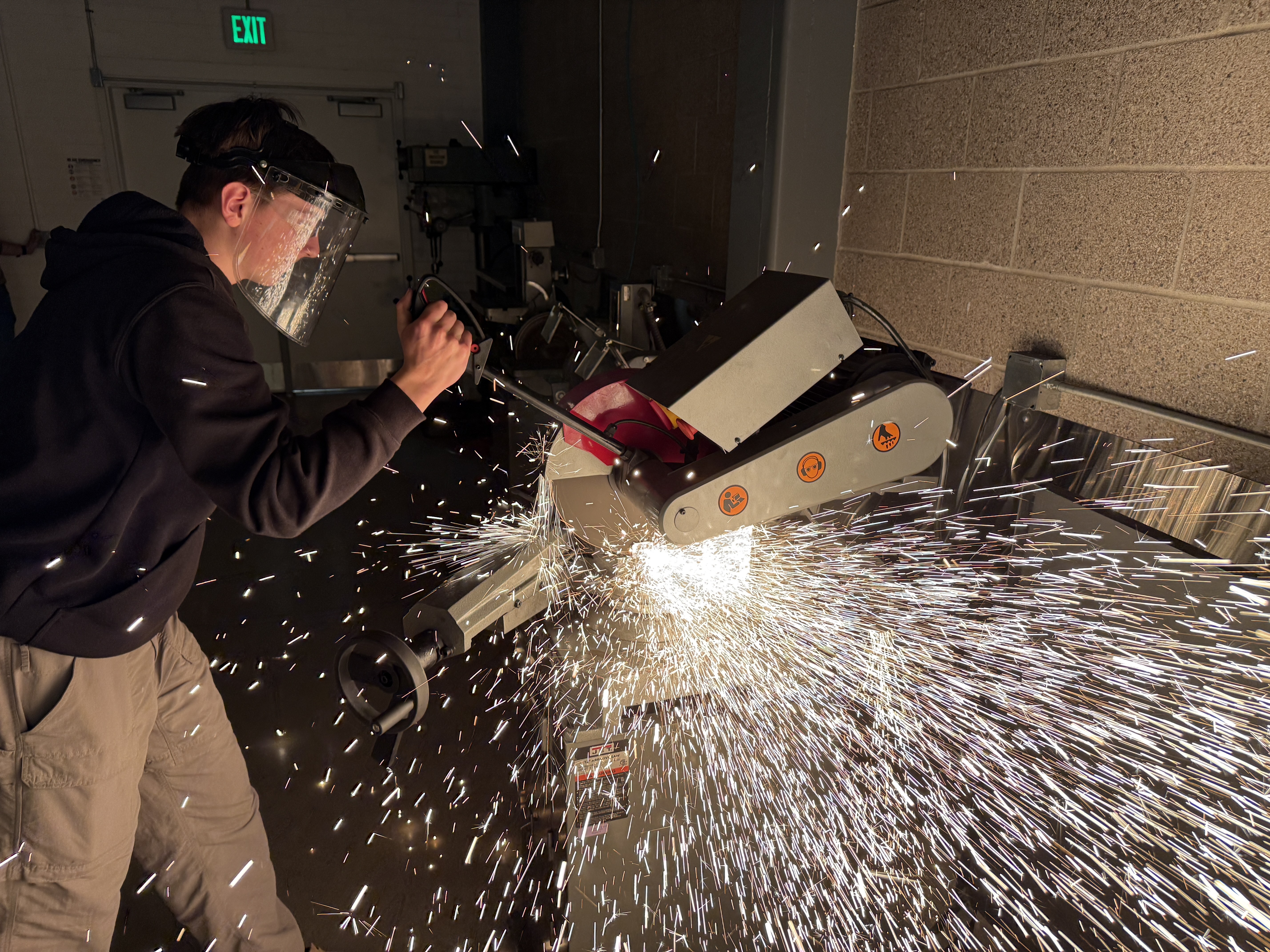
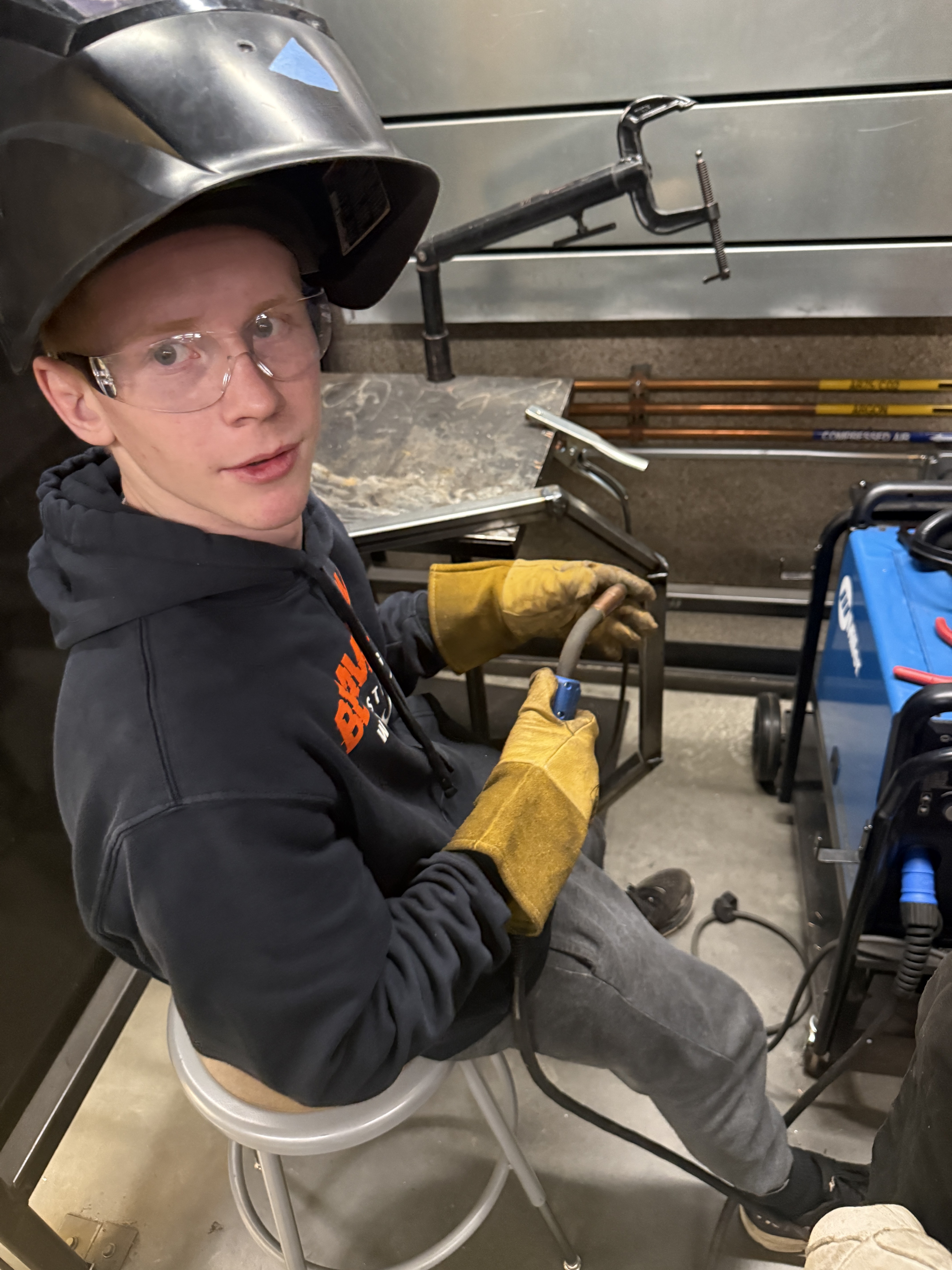
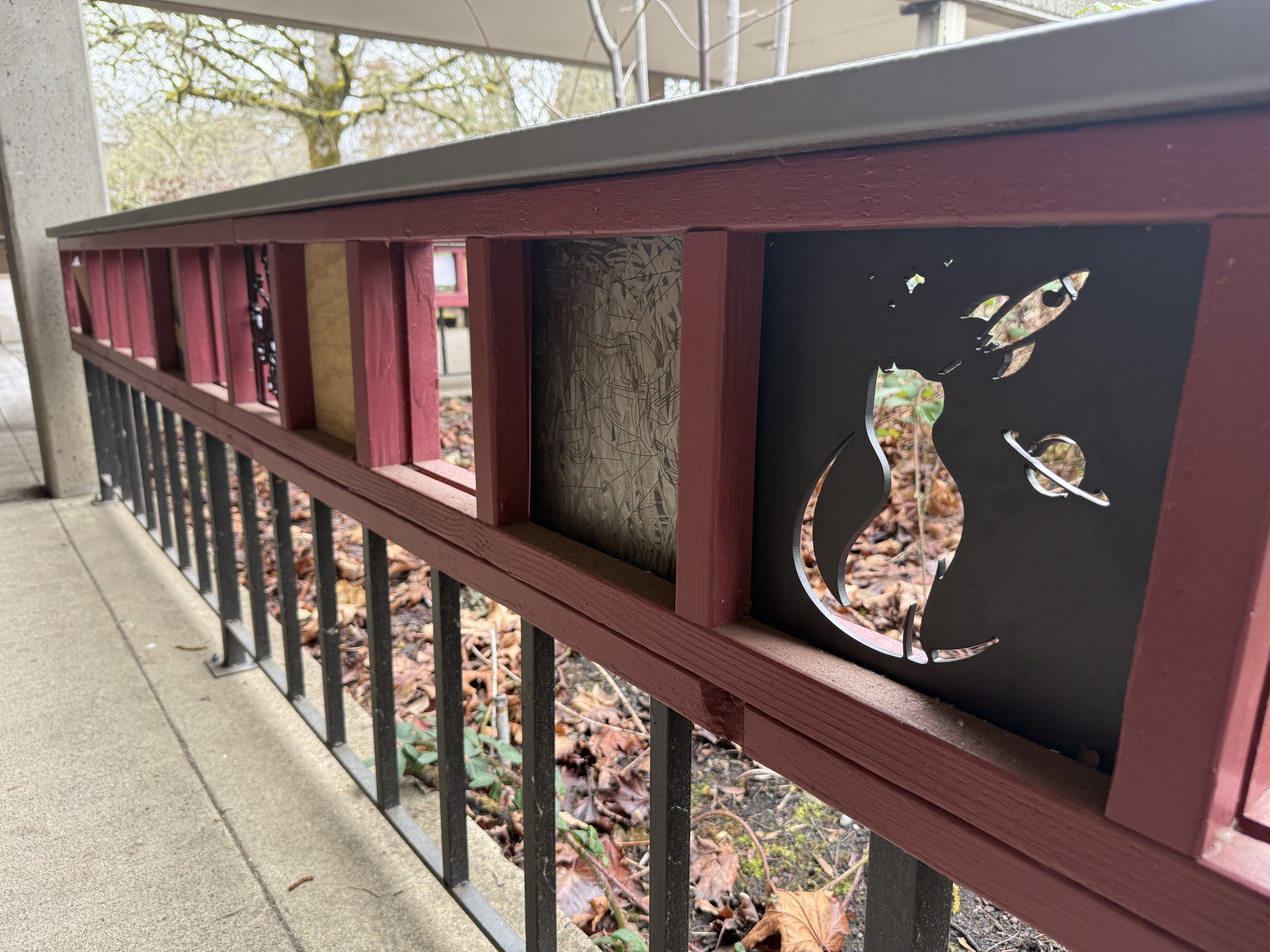
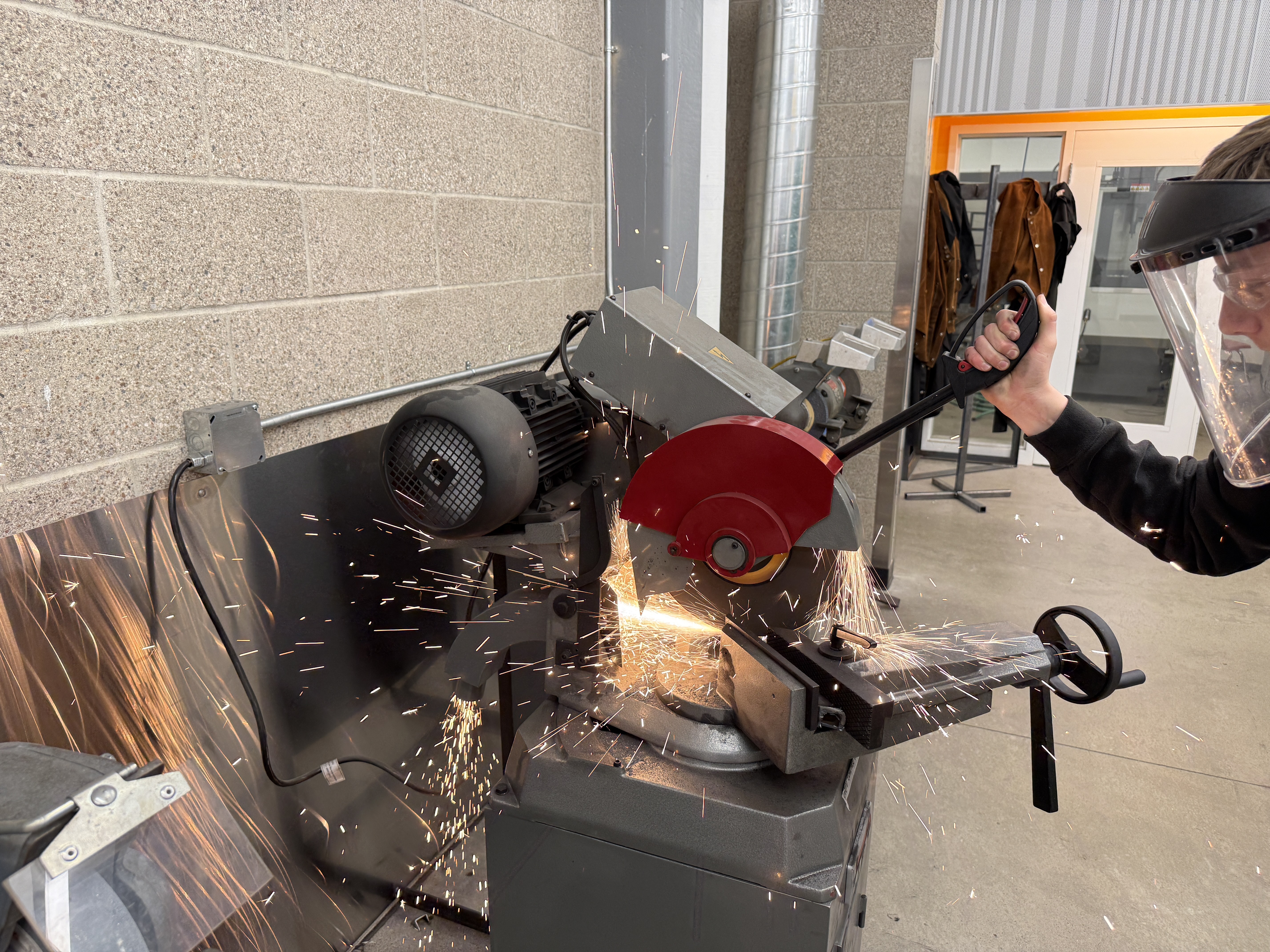
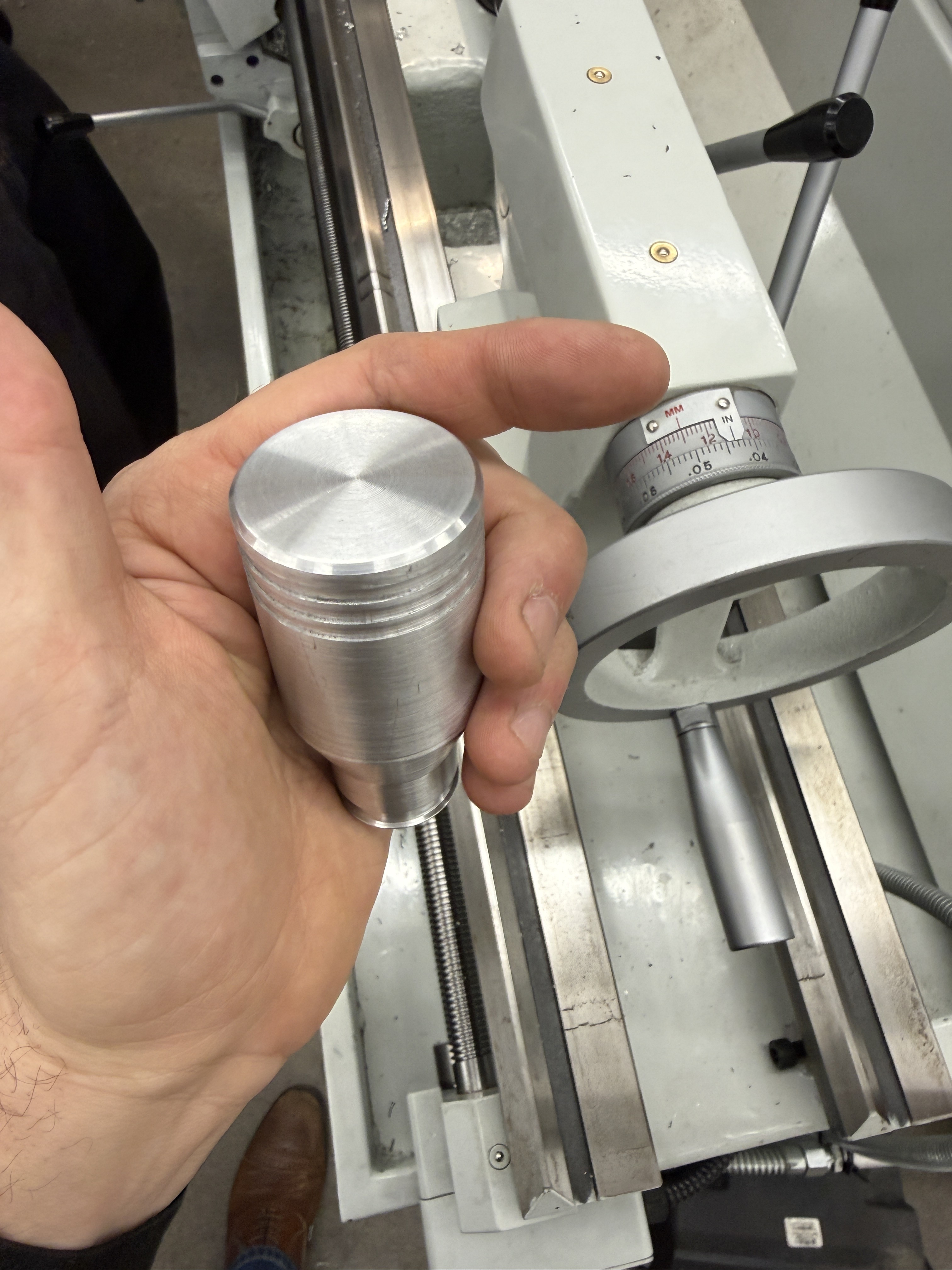
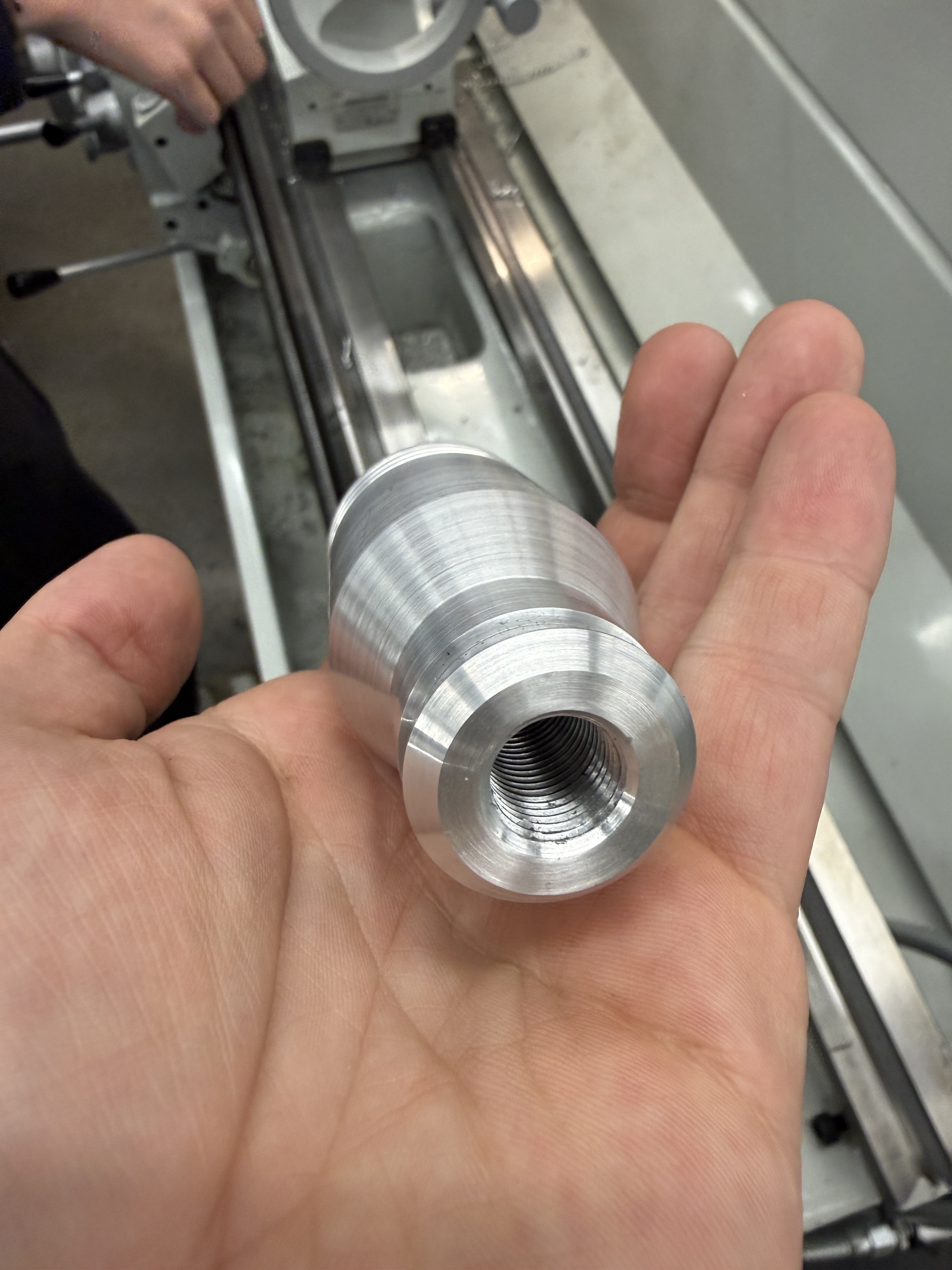
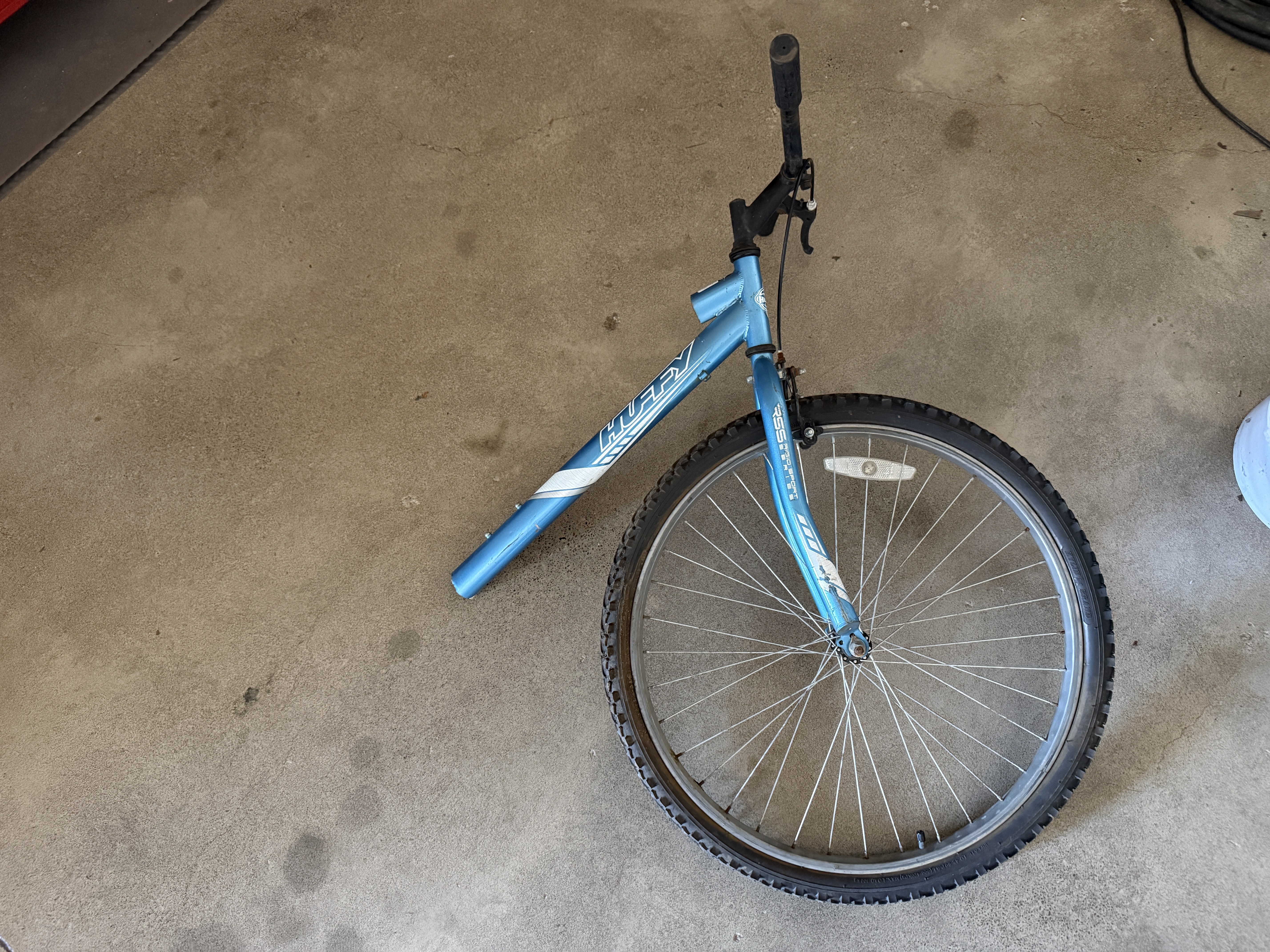
Work made by students in this program. Welding, plasma cutting, engine rebuilds, 3D printing, and more.
Supporting curriculum.
Reference materials and lesson guides built in-house and updated each semester.
CNC Plasma Curriculum
A complete student guide for the Arclight/Hypertherm/SheetCam/CommandCNC workflow. From CAD file to finished cut.
View guide →FEA + 3D Print Lab
Predict with SolidWorks. Print on a Bambu P1S. Break it in a 3-point bend test. Compare simulation to reality.
View lesson →Predator 212 Rebuild
A print-ready small engine curriculum. Students disassemble and rebuild a 212cc from bare block to running engine.
View on GitHub →CTE Program Pitch
Data-driven proposal for program expansion. Enrollment trends, budget impact, and the case for investing in shop programs.
View pitch →
Meet your instructor.
Andy McAteer teaches like he designs tools: assume students are smart, then get out of the way. A decade, four programs, and four states later, the results speak for themselves.
The approach is simple: give students tools that respect their intelligence. Interactive digital curriculum instead of photocopied worksheets. Searchable safety databases instead of laminated posters. Real enterprise projects instead of busywork.
Students rise to match the expectations set for them. Every tool on this site was built in-house, for the specific students in this program, and is in use every week.
Questions about the program?
Whether you are a student, parent, or administrator, I am happy to talk about what we build here.
Get in touch